Union League Club of Chicago: A Fourth-Ranked Civic Landmark in the Loop
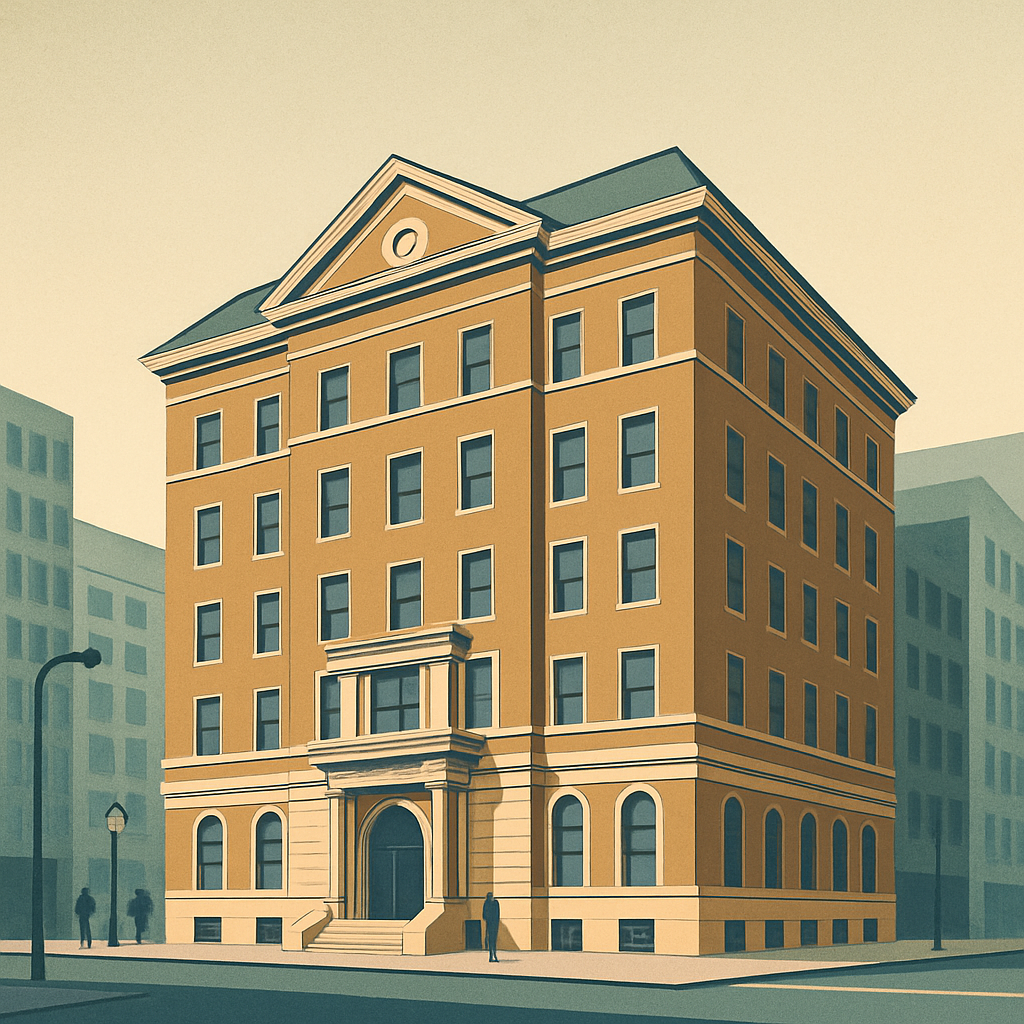
A private club on Federal Street has quietly shaped Chicago's civic and social landscape for nearly 150 years. The Union League Club, housed in its distinctive Loop building since the early 20th century, ranks among the most prestigious institutions in the nation.
On a corner where Federal Street meets West Jackson Boulevard, a limestone and granite façade marks one of Chicago's most exclusive addresses. The Union League Club of Chicago has occupied this spot since 1908, but the institution's roots run deeper—back to 1879, when civic-minded Chicagoans founded it as a gathering place for business leaders, professionals, and public servants committed to advancing the city's cultural and political life.
The club's current home at 65 W Jackson Boulevard is a masterwork of Beaux-Arts design, reflecting the era when private clubs served as temples of influence and refinement. Its second location—the building still stands today—replaced an earlier clubhouse and was built to accommodate the growing membership and the club's expanding role in Chicago's business and social fabric.
A National Ranking
The Union League Club ranks fourth among private clubs in the United States and first in the Midwest on the Five Star Platinum Club list, a distinction that reflects decades of membership selectivity, programming, and civic engagement. The club has hosted governors, industrialists, artists, and civic leaders, shaping conversations about Chicago's development and cultural priorities.
Legally Separate, Spiritually Connected
Union League clubs exist in several American cities, legally independent but bound by shared values. The Chicago chapter is the anchor of this network, setting the tone for what it means to be a modern civic club balancing tradition with relevance. Membership remains invitation-only, and the club continues to program lectures, dinners, and cultural events that draw on its historical role as a forum for public discourse.
What Stands There Now
The building itself remains a working symbol of Chicago's Gilded Age ambitions. Its stone façade, wrought-iron details, and private rooms upstairs house a membership that still gathers to discuss business, politics, and the future of the city. Do you remember passing by this building? Do you know anyone who belongs to the club, or have you experienced one of its public events?
- chicago-history
- loop-architecture
- civic-clubs
- beaux-arts
- chicago-landmarks
- private-institutions