local history
Latest
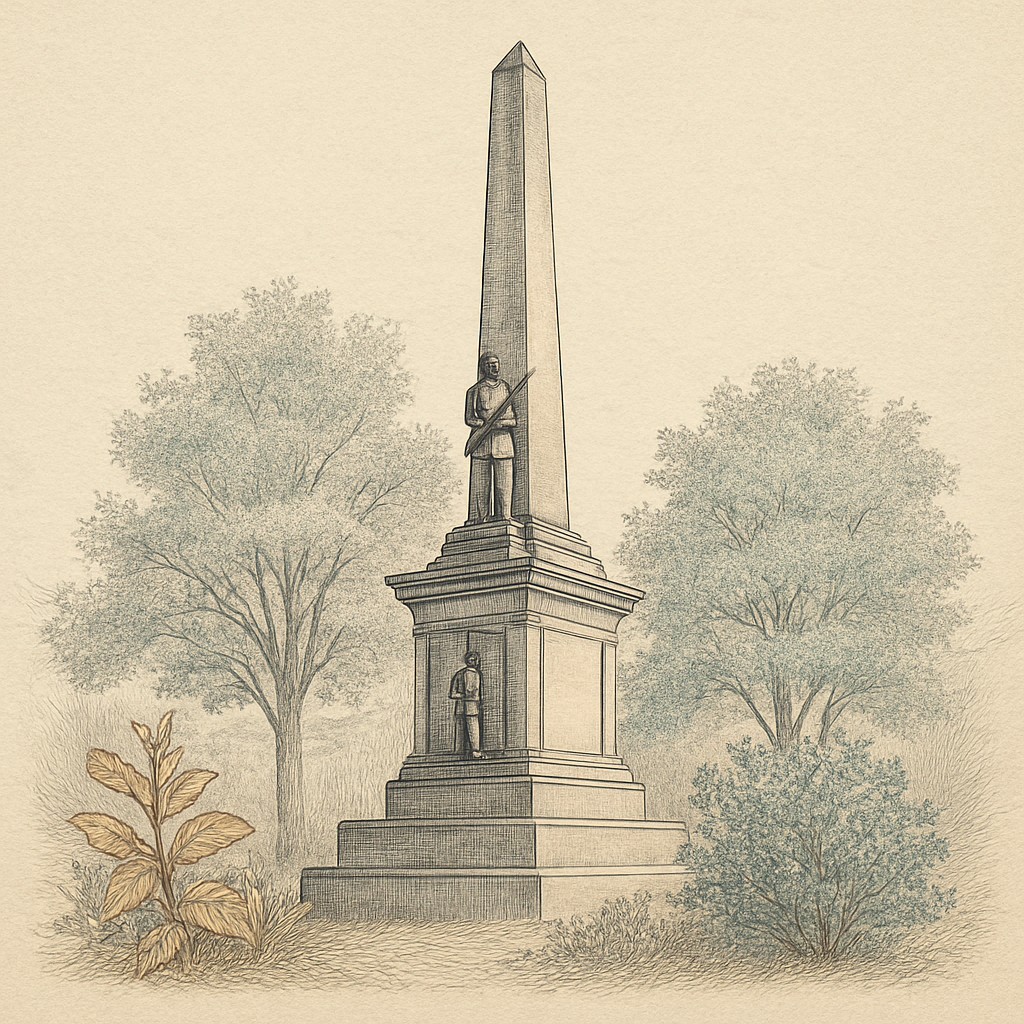
Soldiers' Monument in Santa Fe: A Civil War Memorial on the Plaza
At the center of Santa Fe's historic plaza stands a stone plinth—all that remains of the Soldiers' Monument, a 33-foot obelisk erected in 1867. This cenotaph memorializes deaths across multiple military campaigns, serving as a gathering place for Union veterans and a lasting reminder of the region's Civil War legacy.
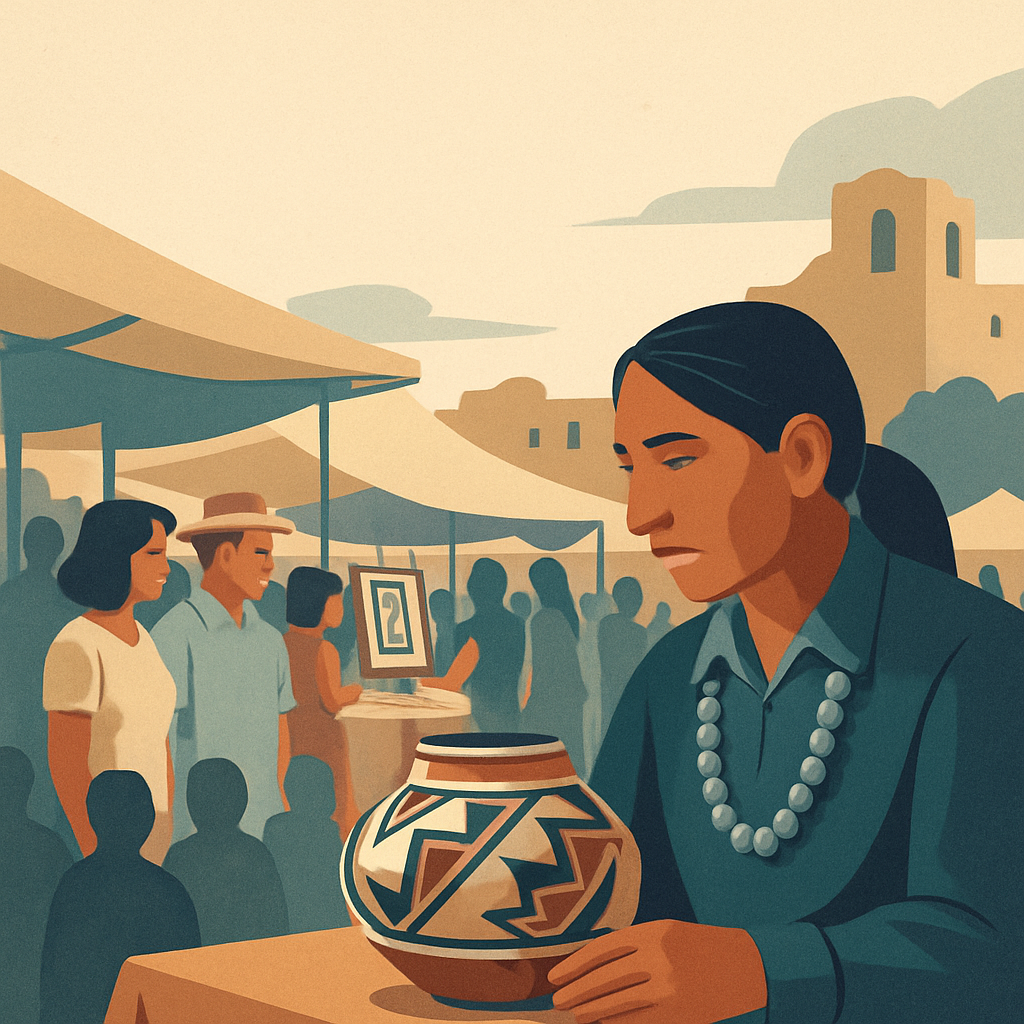
Santa Fe Indian Market: 150,000 Visitors, 1,000 Native Artists
Every August, the plaza and surrounding streets of Santa Fe transform into a gathering of unparalleled scale: 150,000 art collectors, enthusiasts, and travelers converge on New Mexico's capital for the Santa Fe Indian Market, where roughly 1,000 Native American and First Nations artists from across North America exhibit and sell their work.
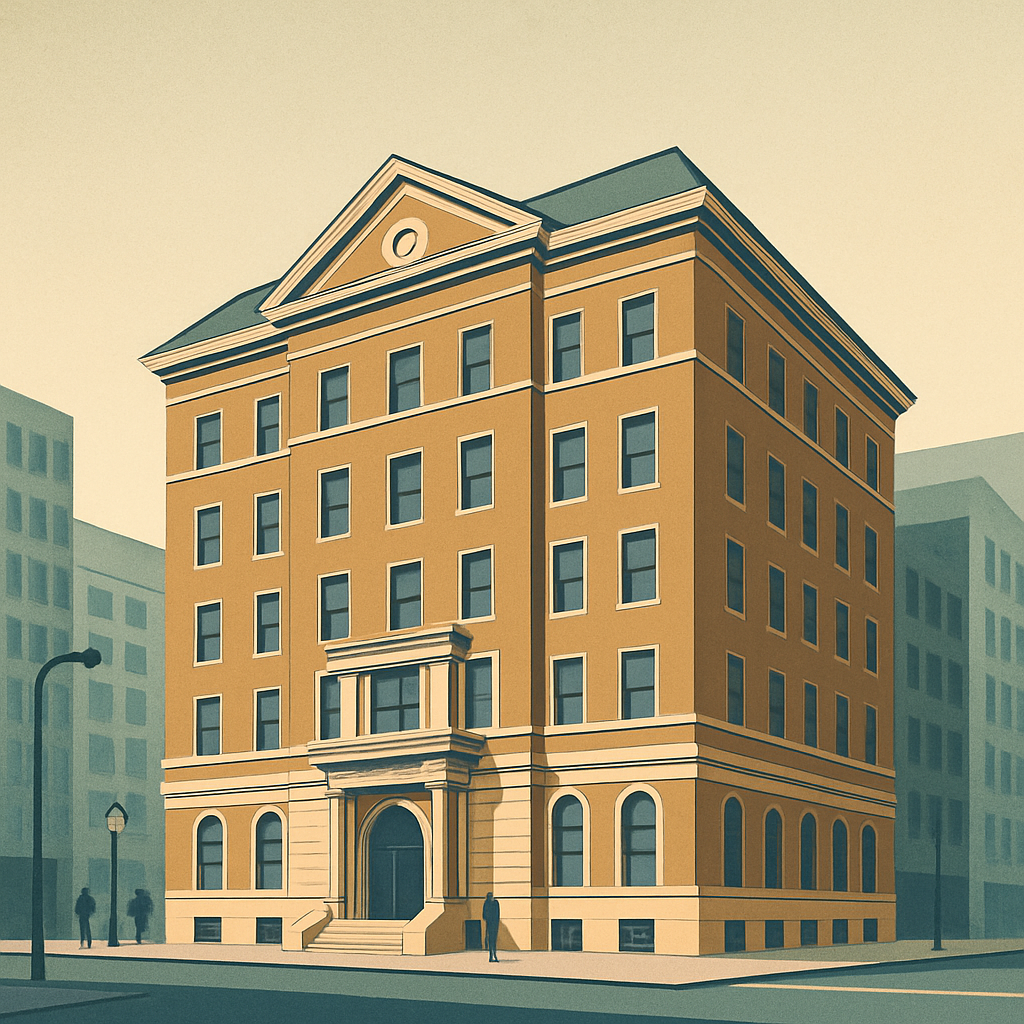
Union League Club of Chicago: A Fourth-Ranked Civic Landmark in the Loop
A private club on Federal Street has quietly shaped Chicago's civic and social landscape for nearly 150 years. The Union League Club, housed in its distinctive Loop building since the early 20th century, ranks among the most prestigious institutions in the nation.
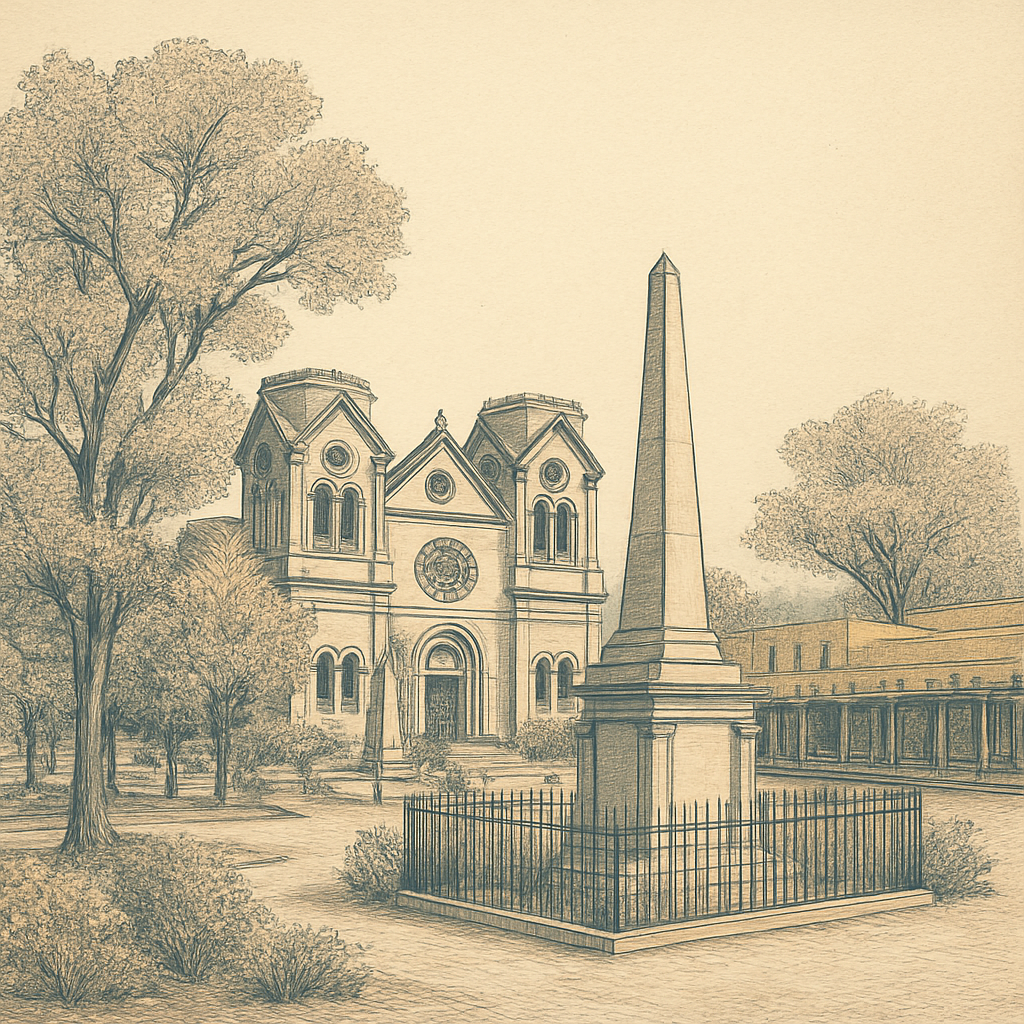
Santa Fe Plaza: Heart of Downtown Santa Fe's Historic Square
On any given afternoon, the Santa Fe Plaza pulses with the rhythm of a city that has held its center for nearly 400 years. This National Historic Landmark sits at the geographic and cultural heart of downtown Santa Fe, a gathering place where locals and visitors converge beneath cottonwood trees and adobe walls.
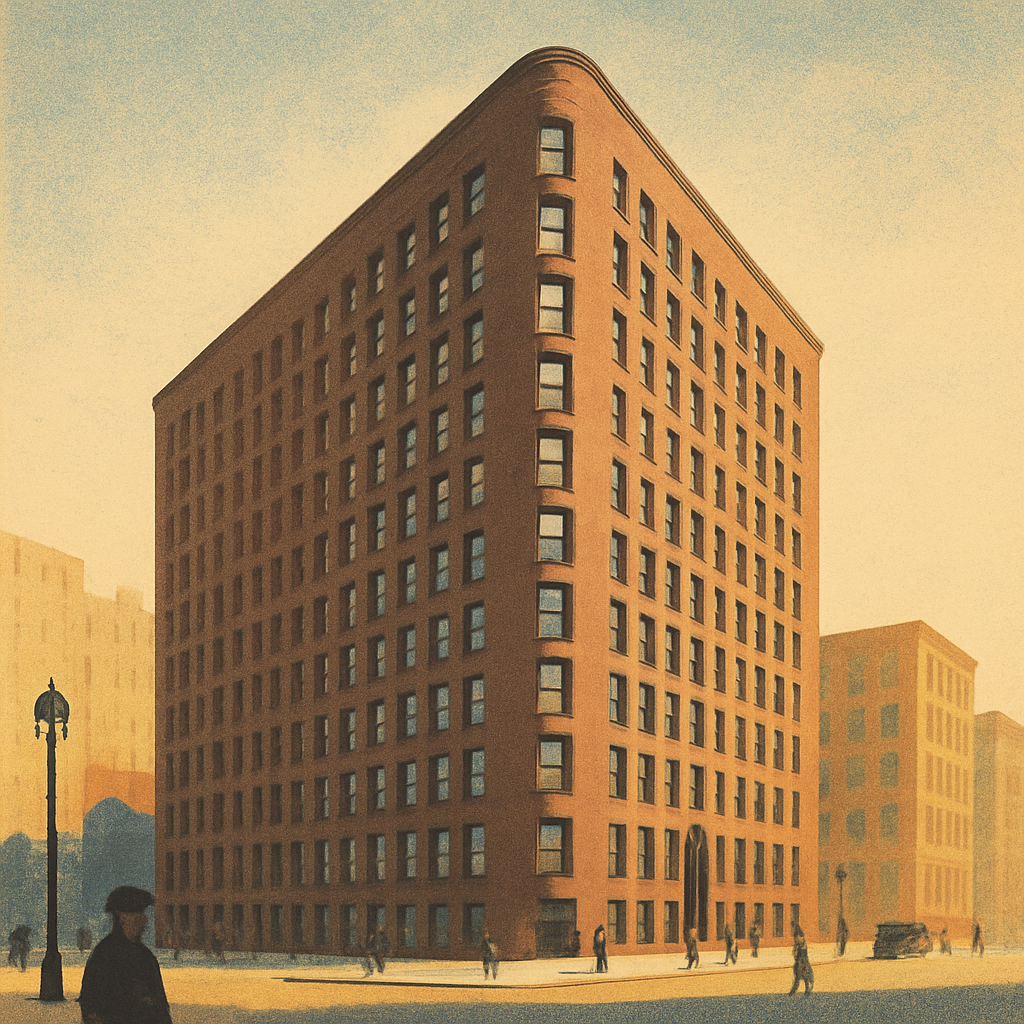
Monadnock Building in Chicago: tallest load-bearing brick skyscraper ever
On West Jackson Boulevard in Chicago's Loop stands a 16-story monument to an engineering ambition that would never be repeated. The Monadnock Building, completed in 1891, holds a record that has never been broken: it is the tallest load-bearing brick and masonry building ever constructed.
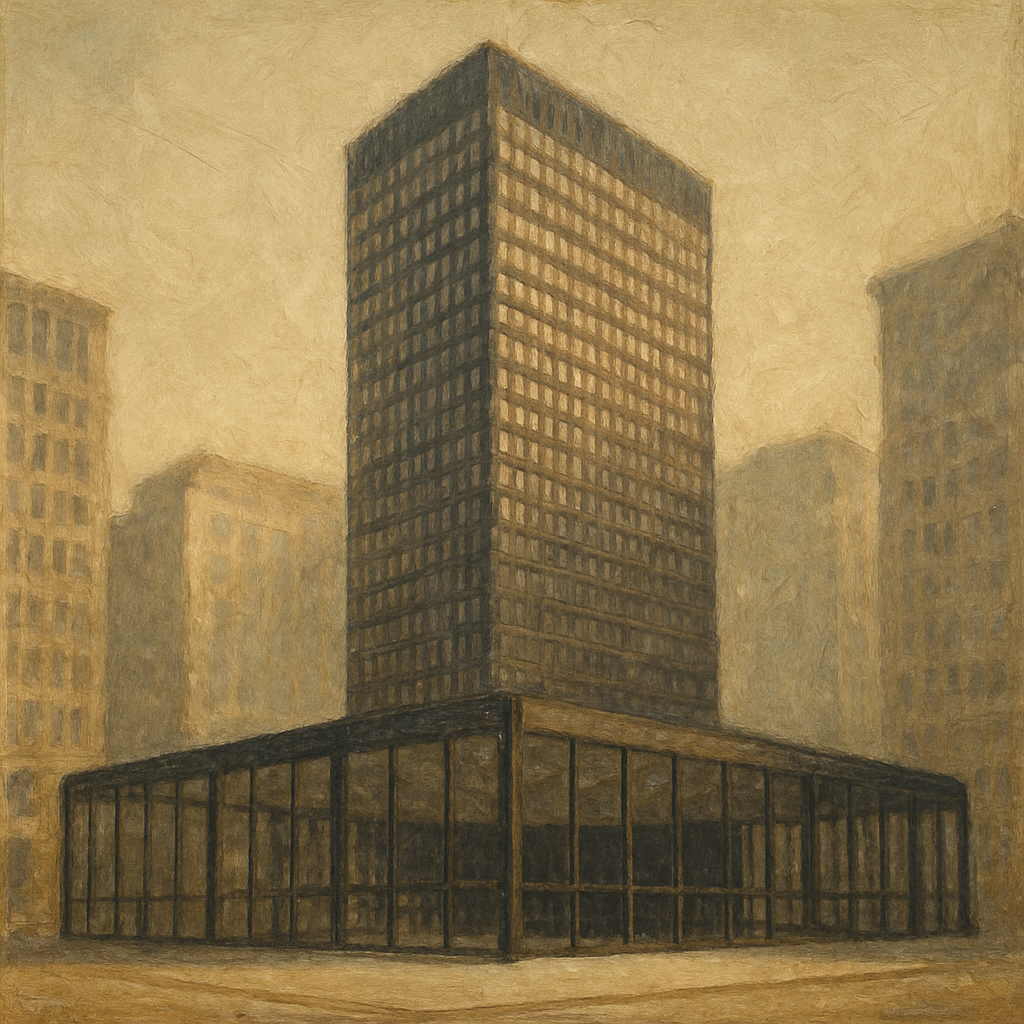
Kluczynski Federal Building: Mies van der Rohe's Last Chicago Masterpiece
In 1974, the John C. Kluczynski Federal Building rose 562 feet above Chicago's Loop as the last structure Ludwig Mies van der Rohe would complete in his adopted city. This 45-story modernist tower, named for a U.S. Congressman, stands where an earlier federal building once anchored the heart of downtown.
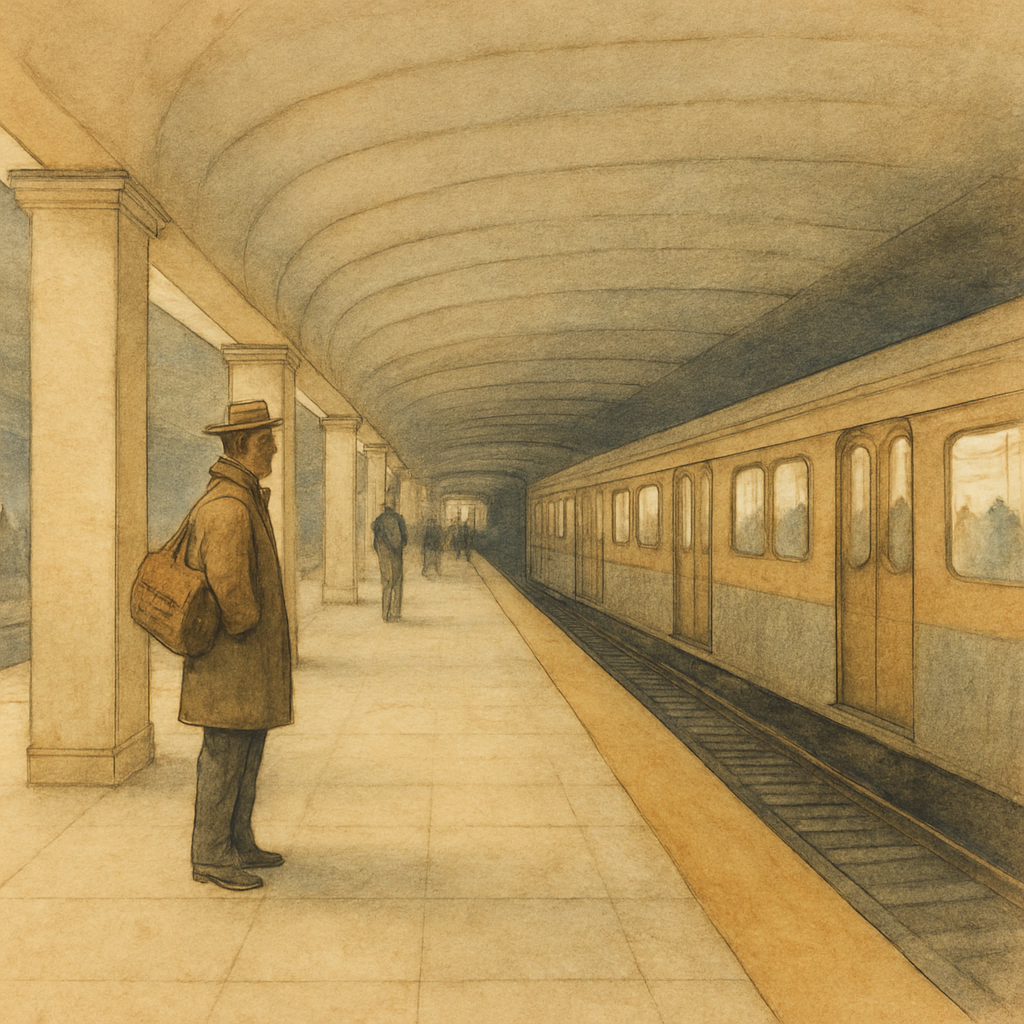
Van Ness Station: San Francisco's Hidden Market Street Link
Deep beneath the intersection of Market Street and Van Ness Avenue lies one of San Francisco's most utilitarian transit hubs—a two-level underground station designed to move commuters between the city's financial core and the western neighborhoods beyond.
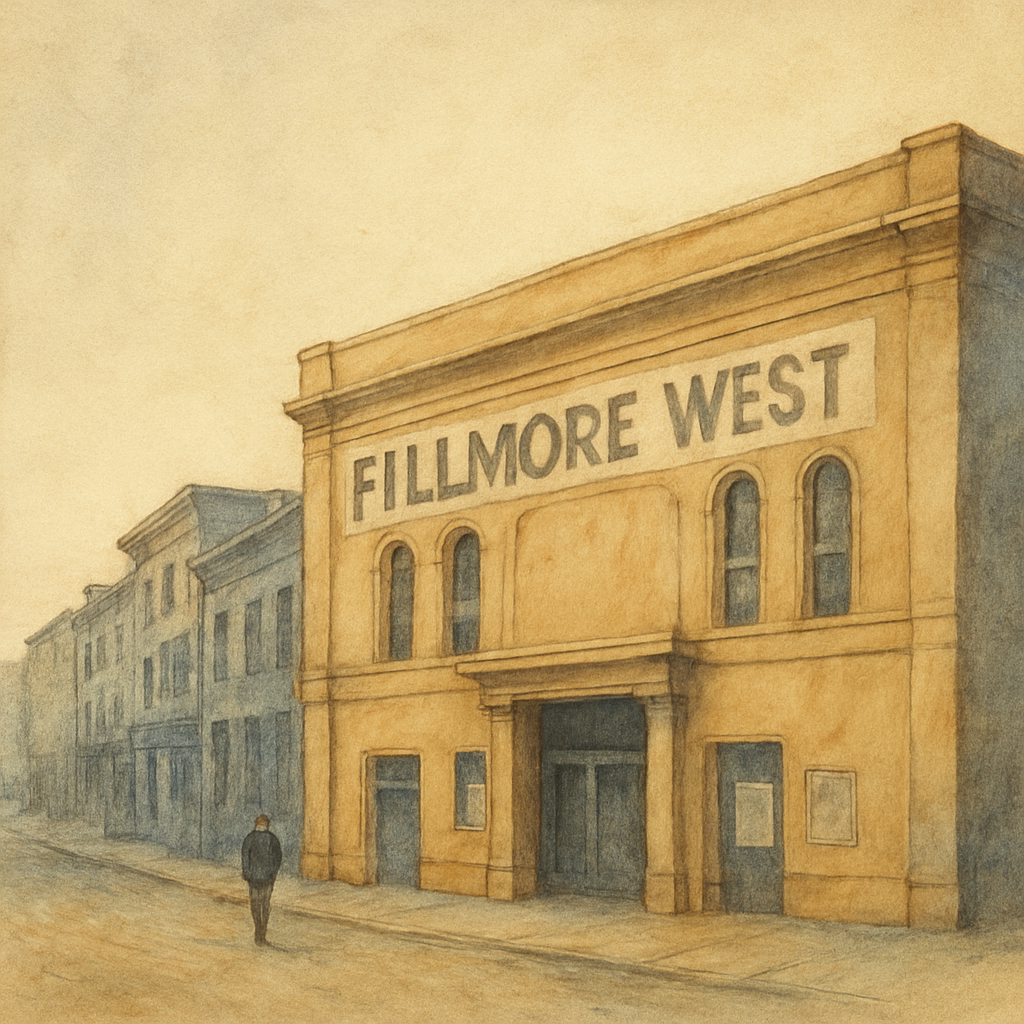
Fillmore West: San Francisco's Lost Temple of Rock and Roll
In 1968, Bill Graham opened Fillmore West at Market and Van Ness, turning a former dance hall into ground zero for the San Francisco Sound. For just three years, it hosted every major rock band of the psychedelic age before closing its doors forever.
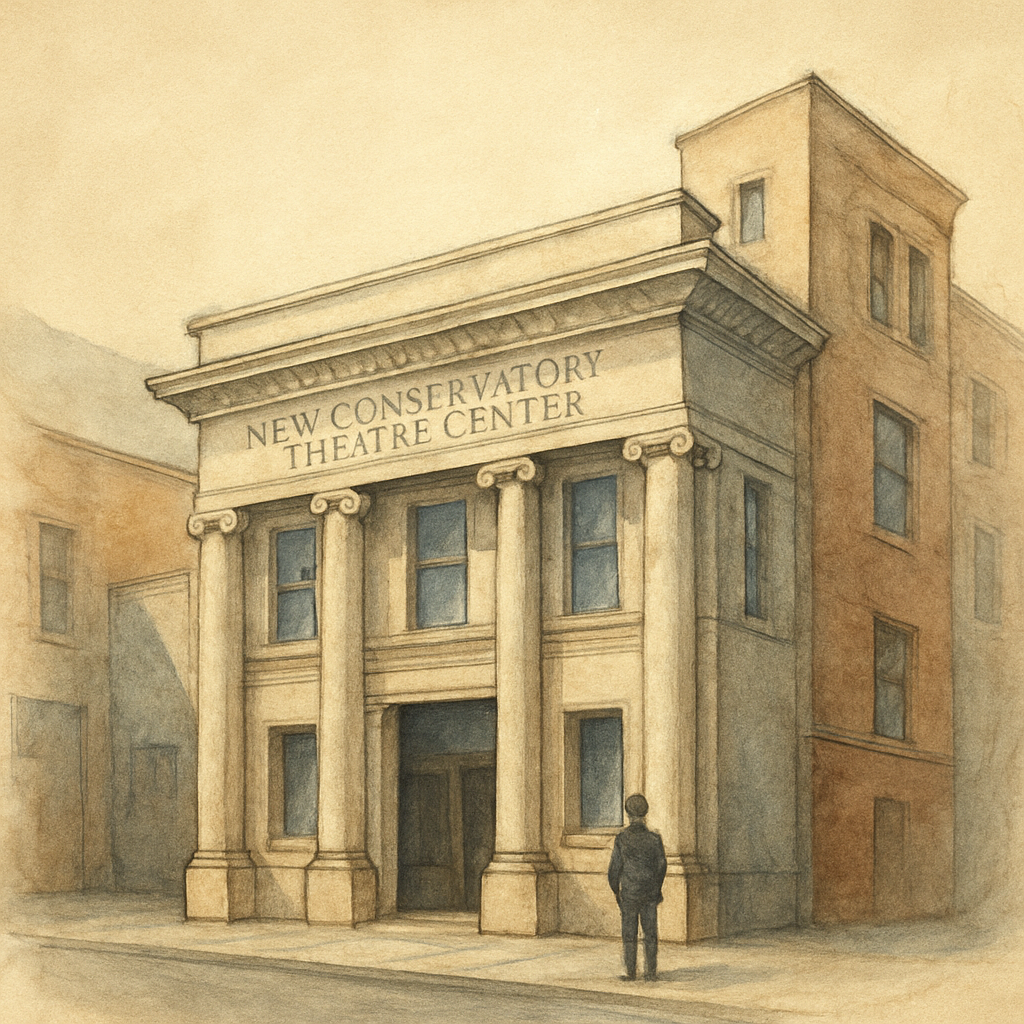
San Francisco's New Conservatory Theatre Center: 40 Years of Pride
San Francisco's New Conservatory Theatre Center (NCTC) opened its doors at 25 Van Ness Avenue in the Civic Center neighborhood as a groundbreaking cultural institution rooted in LGBTQ+ stories and talent. For four decades, it has shaped Bay Area theatre through season productions, conservatory training, and educational outreach.
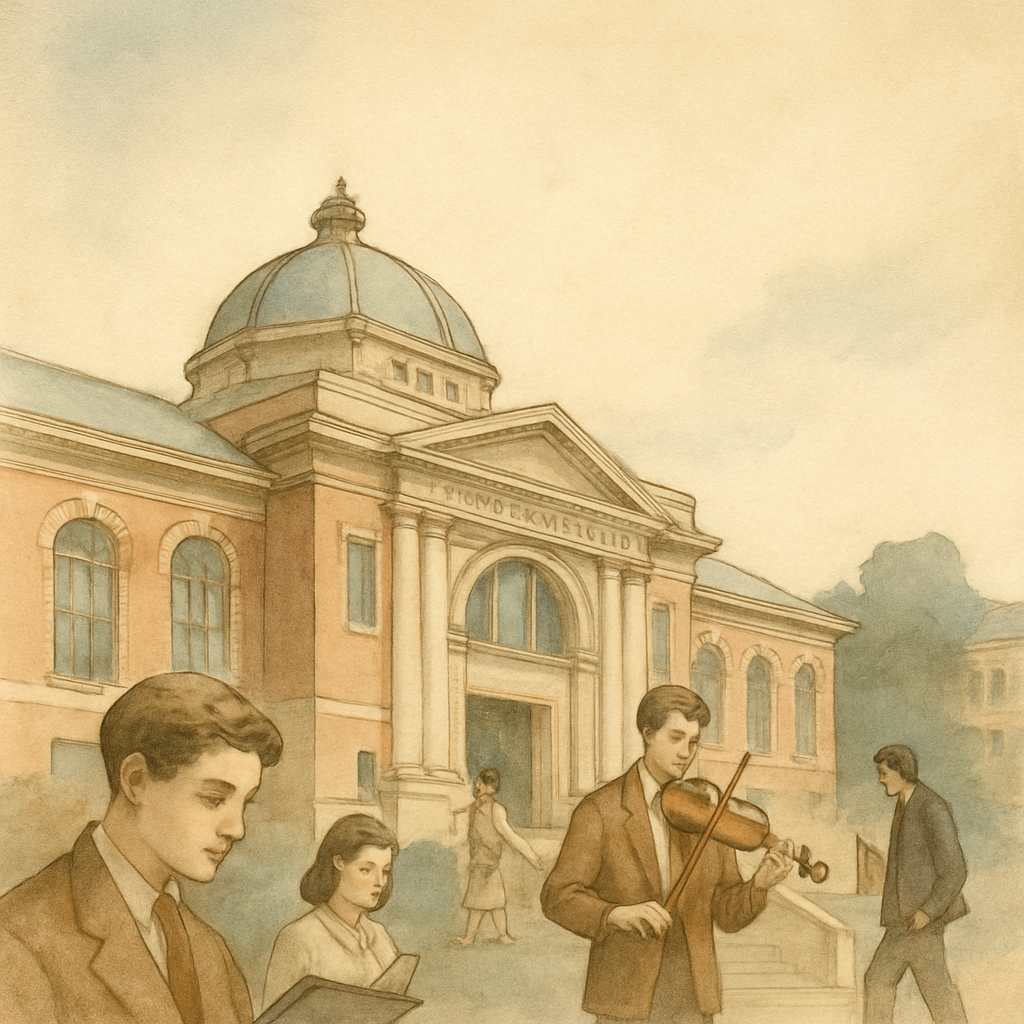
San Francisco's Conservatory of Music Enrolls 447 Musicians This Year
San Francisco's Conservatory of Music has quietly shaped the region's classical music scene for over 150 years, now instructing 447 students across orchestral, chamber, and contemporary genres. Located in the heart of the city, SFCM remains one of the West Coast's most selective music institutions.
San Francisco's Kiln: The Two-Michelin-Star Restaurant That Opened in 2023
In 2023, a new fine dining establishment opened its doors in San Francisco and quickly earned two Michelin stars—a rare achievement for a restaurant in its inaugural year. Kiln represents a significant addition to the city's culinary landscape.
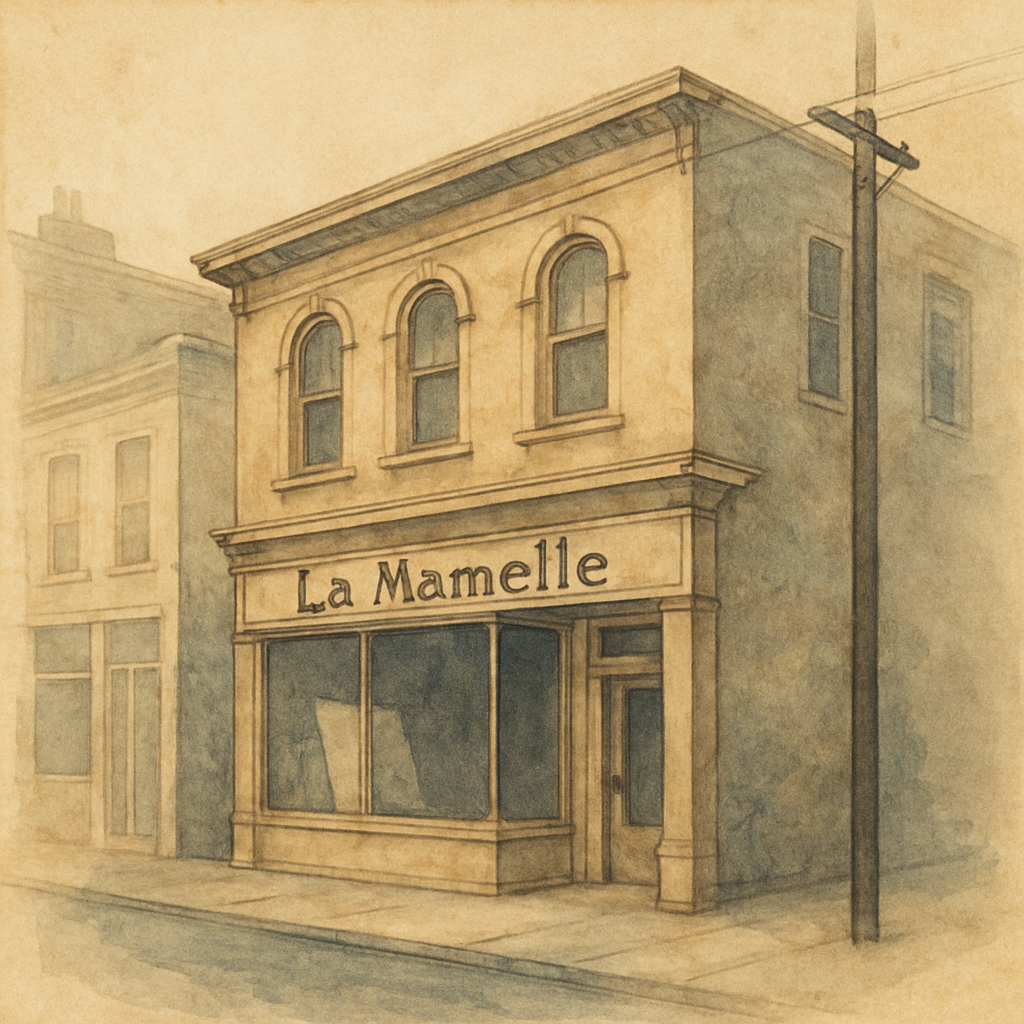
San Francisco's Lost Art Temple: La Mamelle Closed After 20 Years
In 1975, a converted warehouse at 70 12th Street in San Francisco's South of Market neighborhood became the birthplace of La Mamelle, Inc.—an artist-run collective that would reshape how the Bay Area experienced experimental art for two decades before closing its doors in 1995.
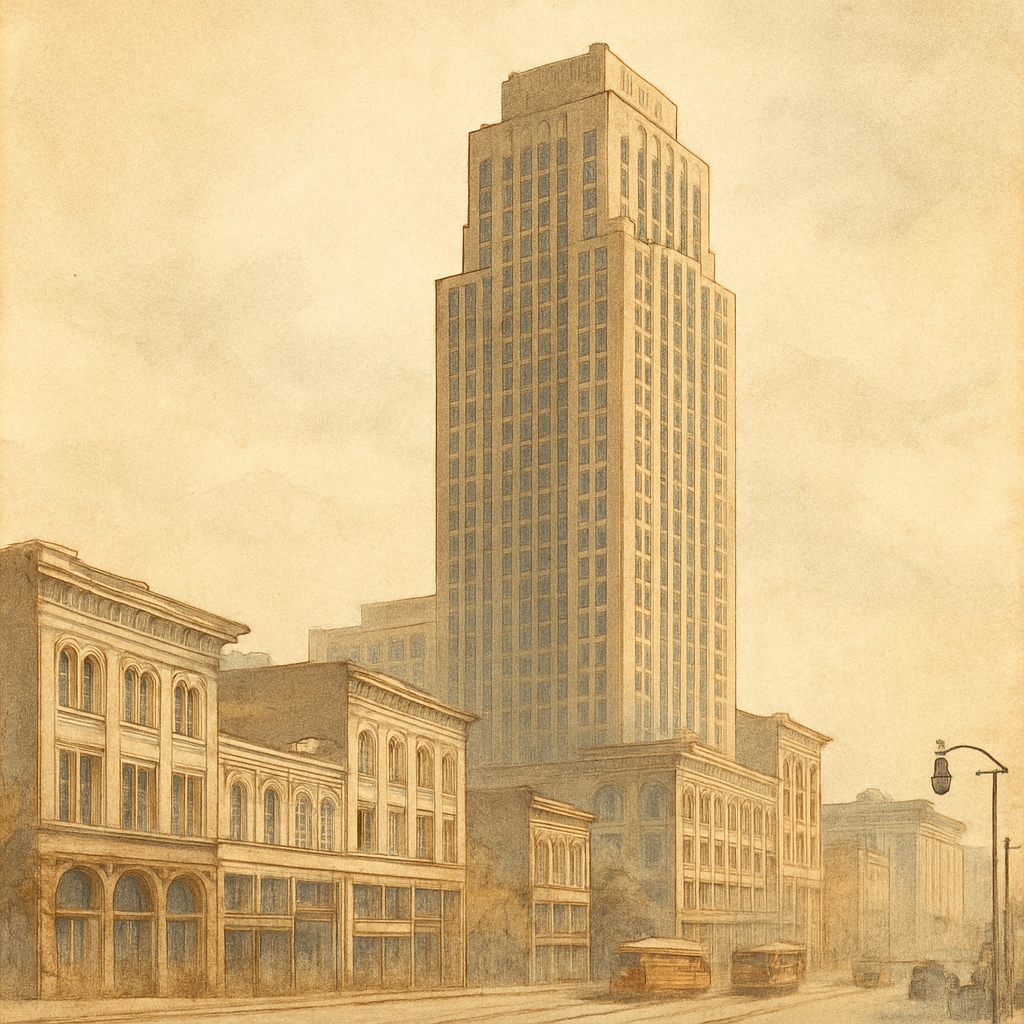
NEMA San Francisco: The 37-Story Tower That Bridged Mid-Market
Two towers connected by a nine-story podium rise from the corner of Tenth and Market in San Francisco's Mid-Market neighborhood. NEMA, the ambitious residential complex completed in this historically overlooked district, sits in the shadow of Twitter's offices and represents one of the city's largest bets on urban revival.
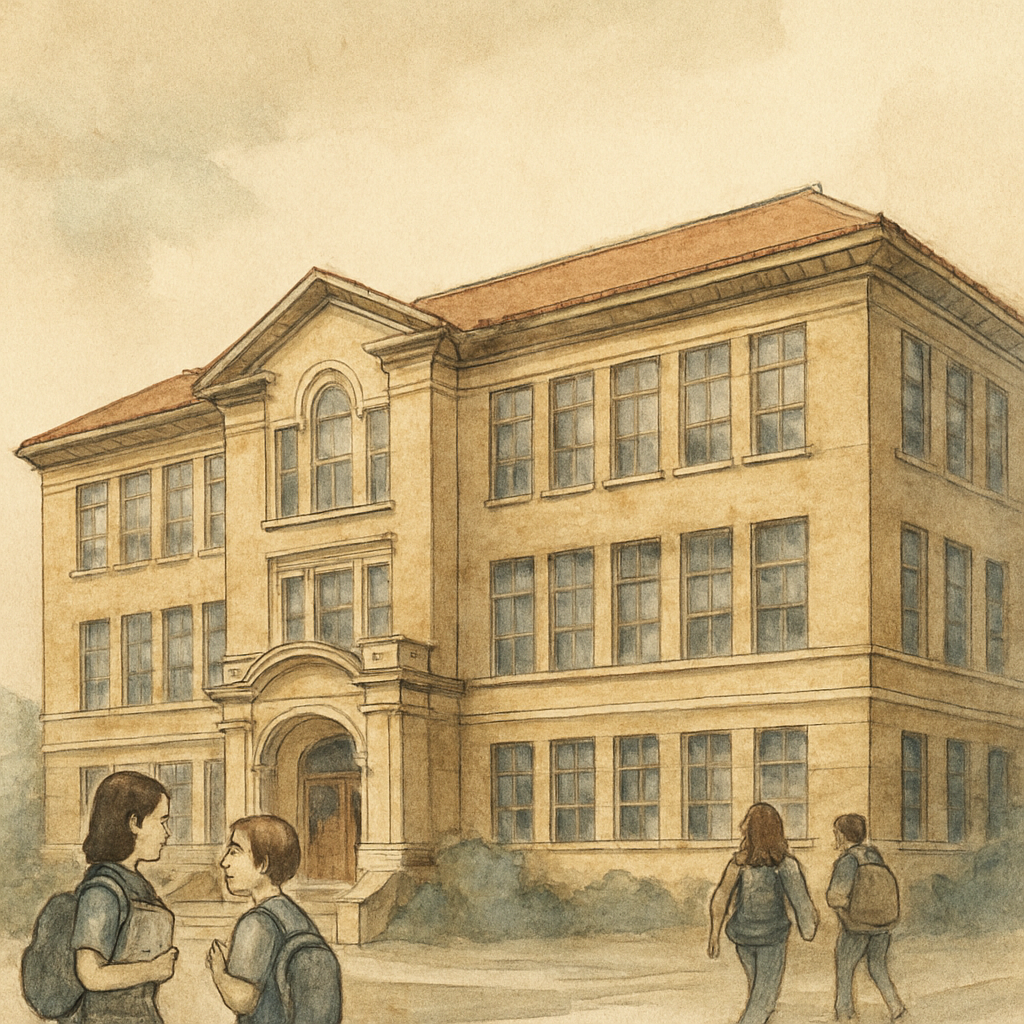
The International School of San Francisco: A Bilingual Path to the IB Diploma
In the Marina District near the Presidio, a school spent decades building a dual-language curriculum around French and English—then quietly changed its name in 2023. The International School of San Francisco still teaches the same rigorous bilingual program, but under a banner that signals something broader than its francophone roots.
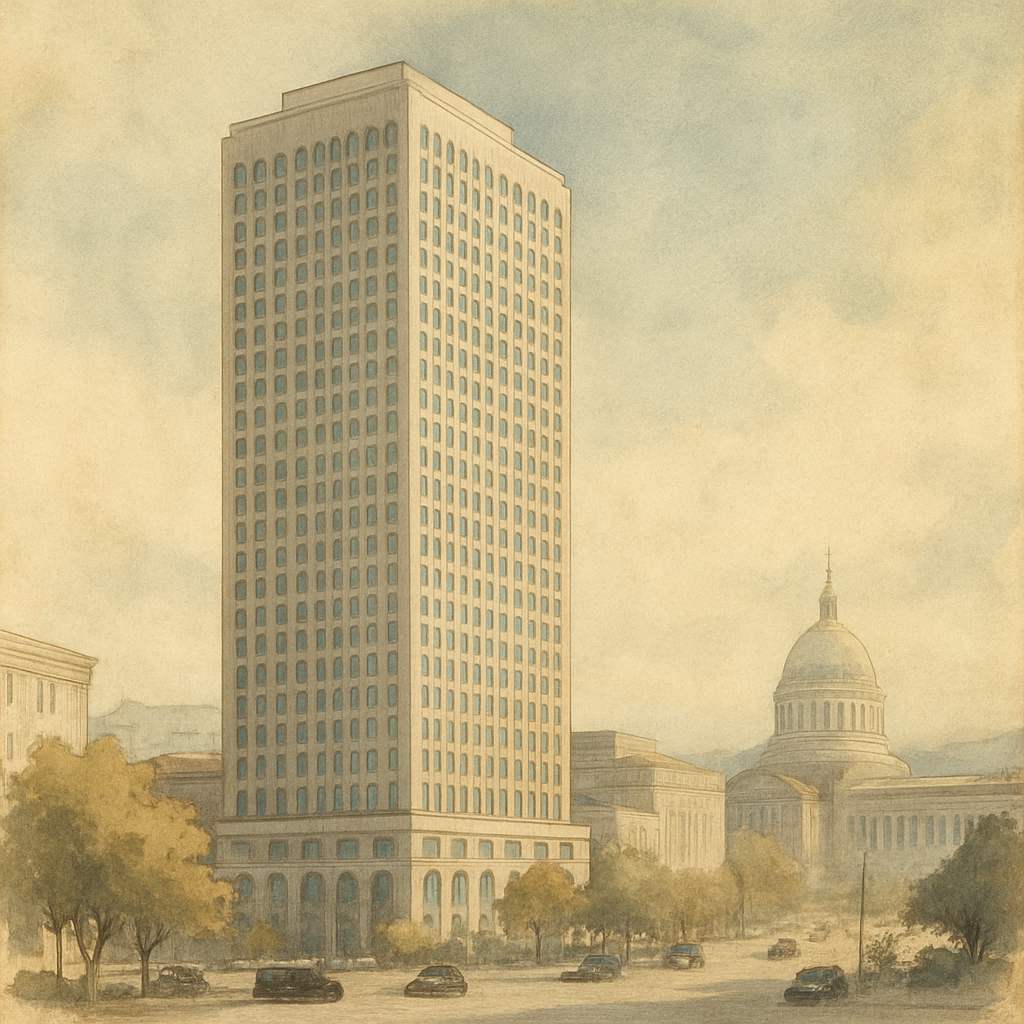
100 Van Ness Avenue: San Francisco's Civic Center Tower Turns Residential
On Van Ness Avenue near Civic Center, a 29-story tower that once housed California's automobile association now shelters residents in one of San Francisco's largest office-to-residential conversions. The shift marks a quiet turn in how the city reclaims aging downtown buildings.
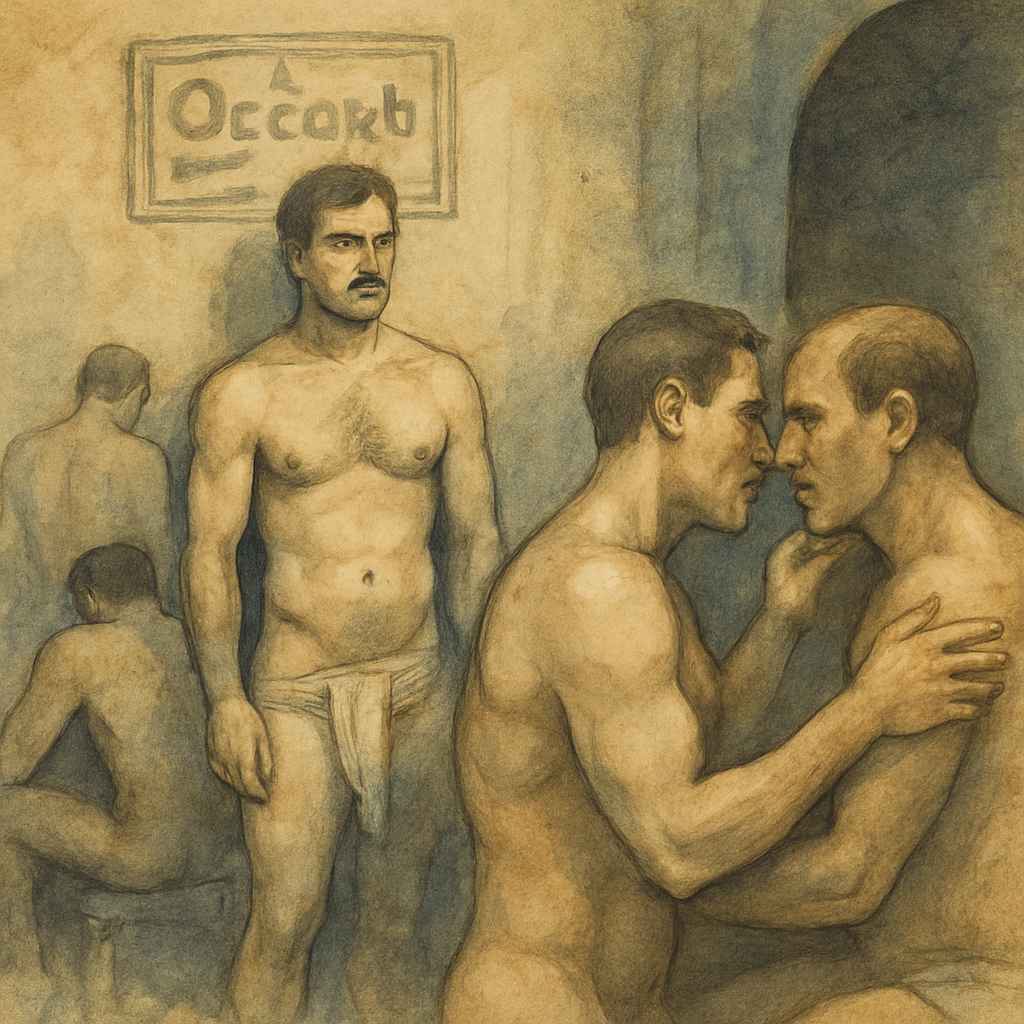
The Caldron: San Francisco's Most Uninhibited Gay Sex Club
On Natoma Street in South of Market, a nondescript building once hosted one of San Francisco's most infamous gay sex clubs—a place so deliberately transgressive it became the epitome of 1980s sexual abandon before disappearing as quickly as it had arrived.
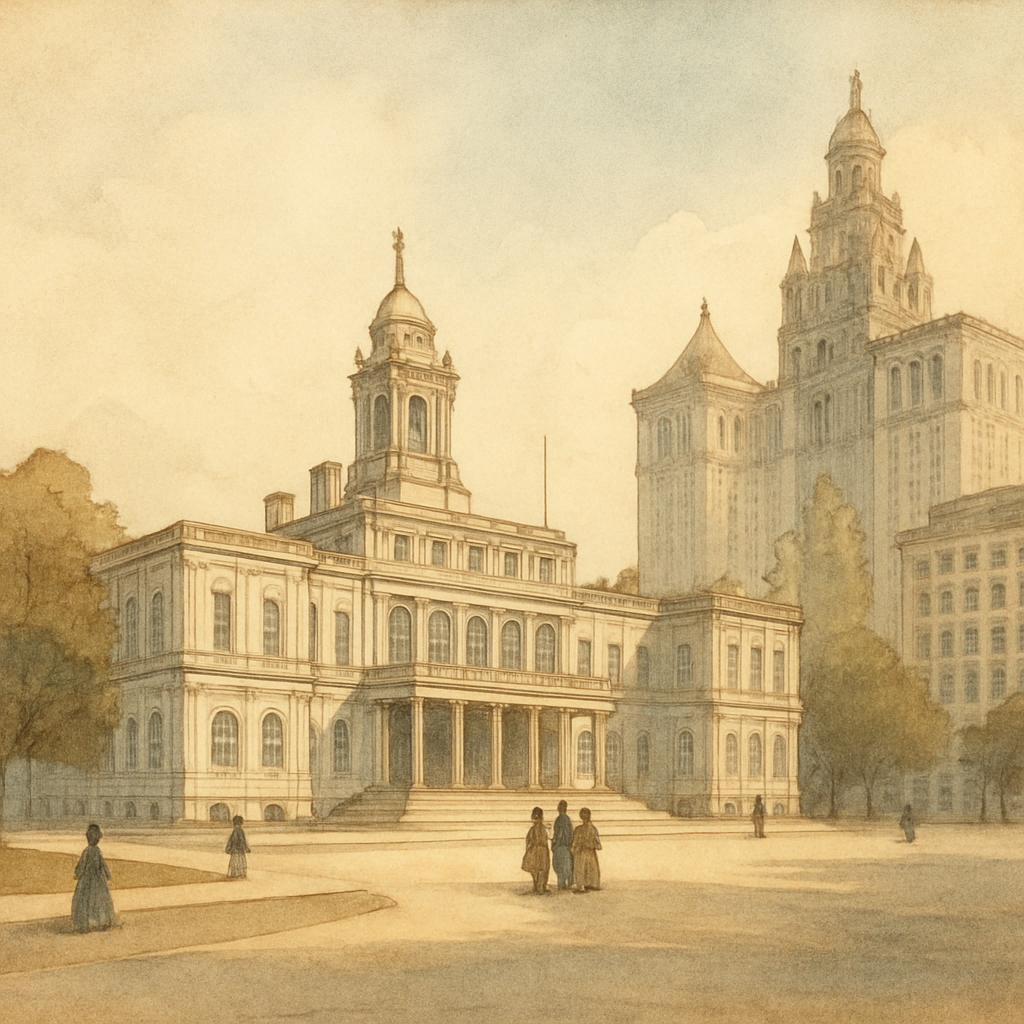
New York City Hall's Civic Center: Where Government Built a Neighborhood
City Hall rises above Civic Center, a 20-block neighborhood in Lower Manhattan where the machinery of New York government has operated for nearly two centuries. Built around the seat of municipal power, the district consolidated courts, police headquarters, and administrative offices into a single dense precinct.
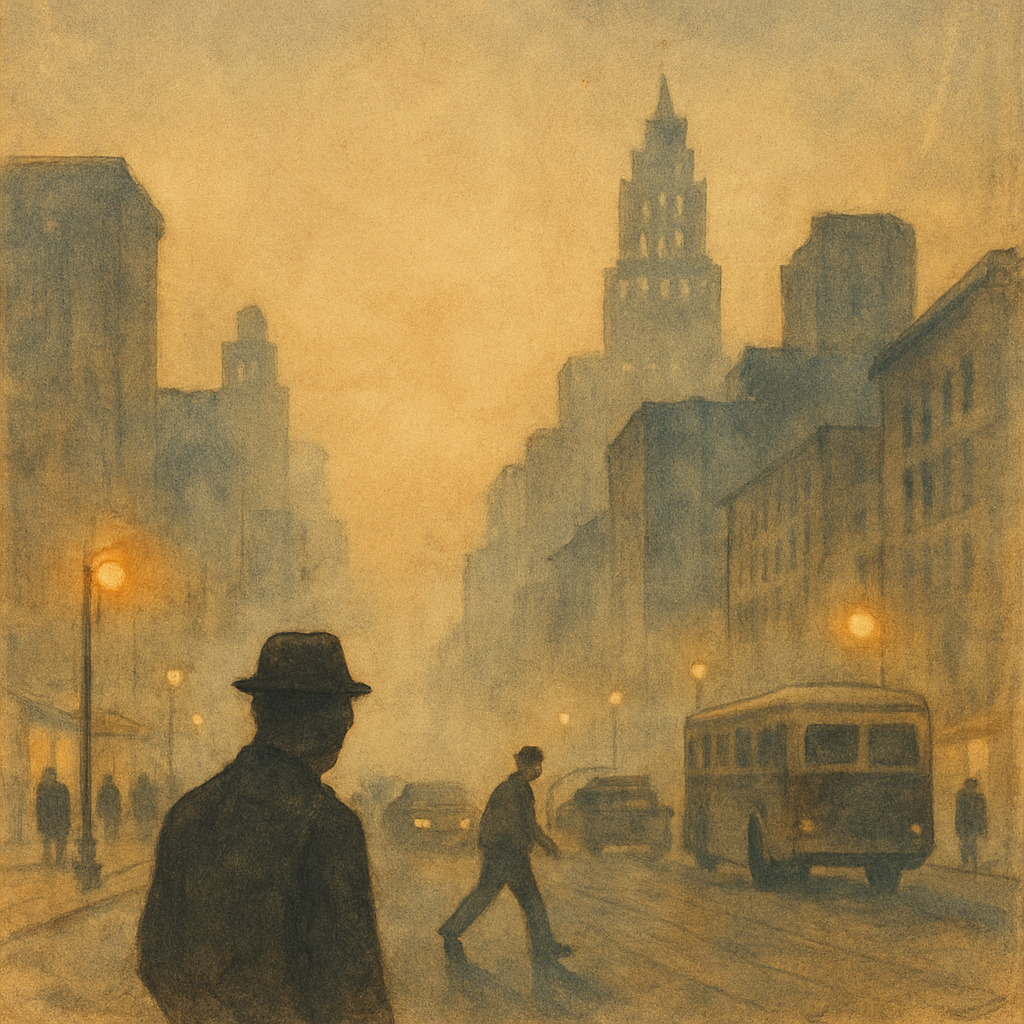
The 1966 New York City smog that turned day into twilight
On November 23, 1966, a stagnant air mass settled over the East Coast and trapped pollutants above New York City for four days, creating one of the most dangerous environmental disasters in the city's history. The smog was so thick it turned midday into twilight and exposed vulnerabilities that would reshape how Americans thought about air quality.
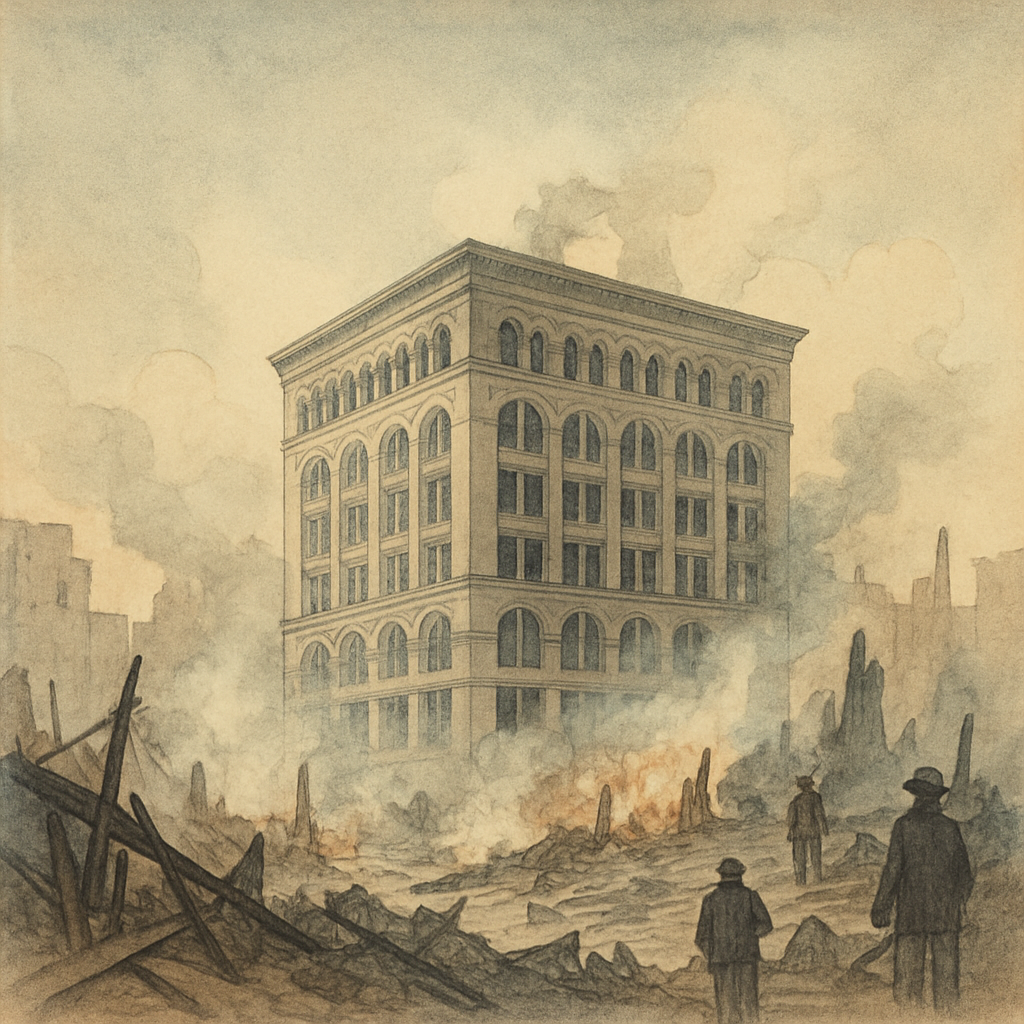
The Rogers Peet Building rose from fire in 1898 Manhattan
A fire destroyed the Rogers Peet clothing store's original home in 1898, clearing the way for a grander eight-story building that would define the block for generations. The replacement structure, completed in 1899, marked the transition of a family business into an architectural landmark.
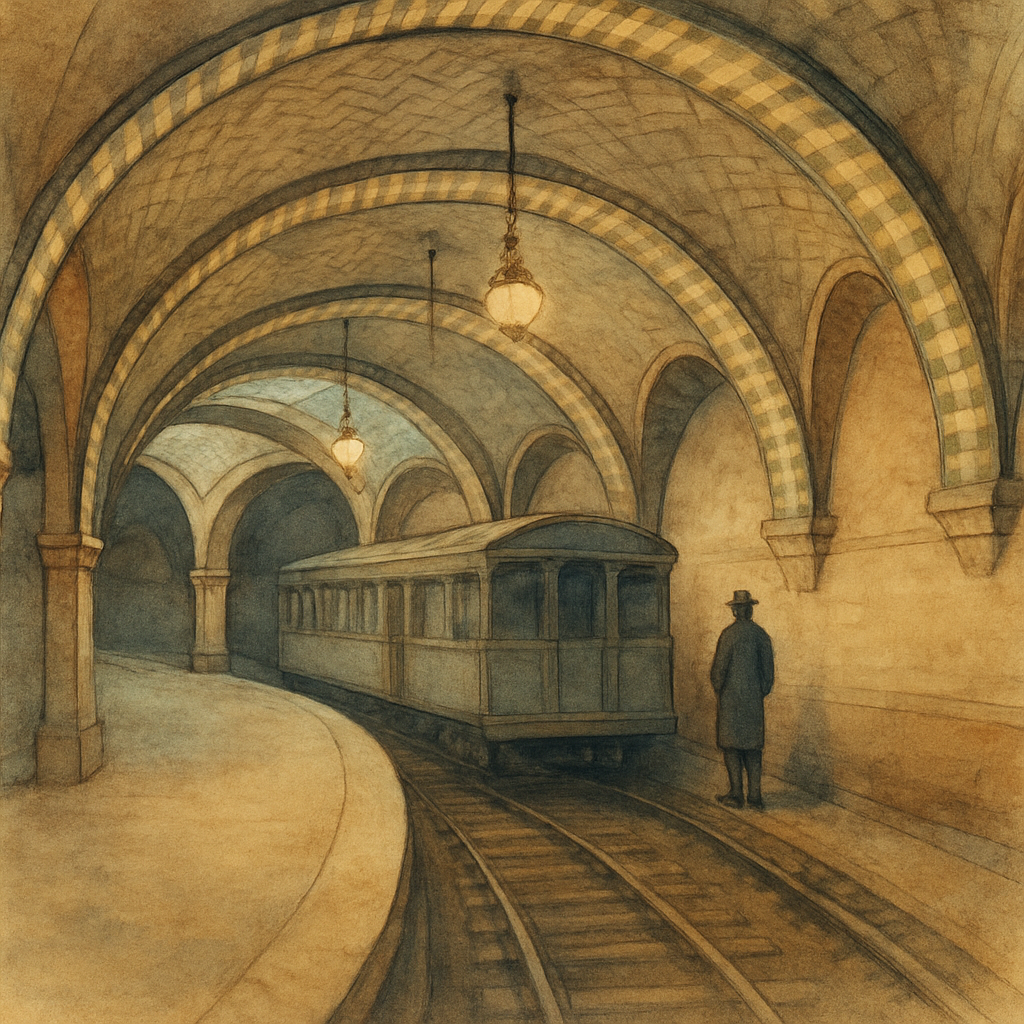
The subway station New York closed a century ago
In 1904, the IRT opened its inaugural line with City Hall as the southern terminus—a gleaming station that embodied the city's faith in rapid transit. Decades later, it fell silent, sealed beneath the streets as a phantom of early subway ambition.
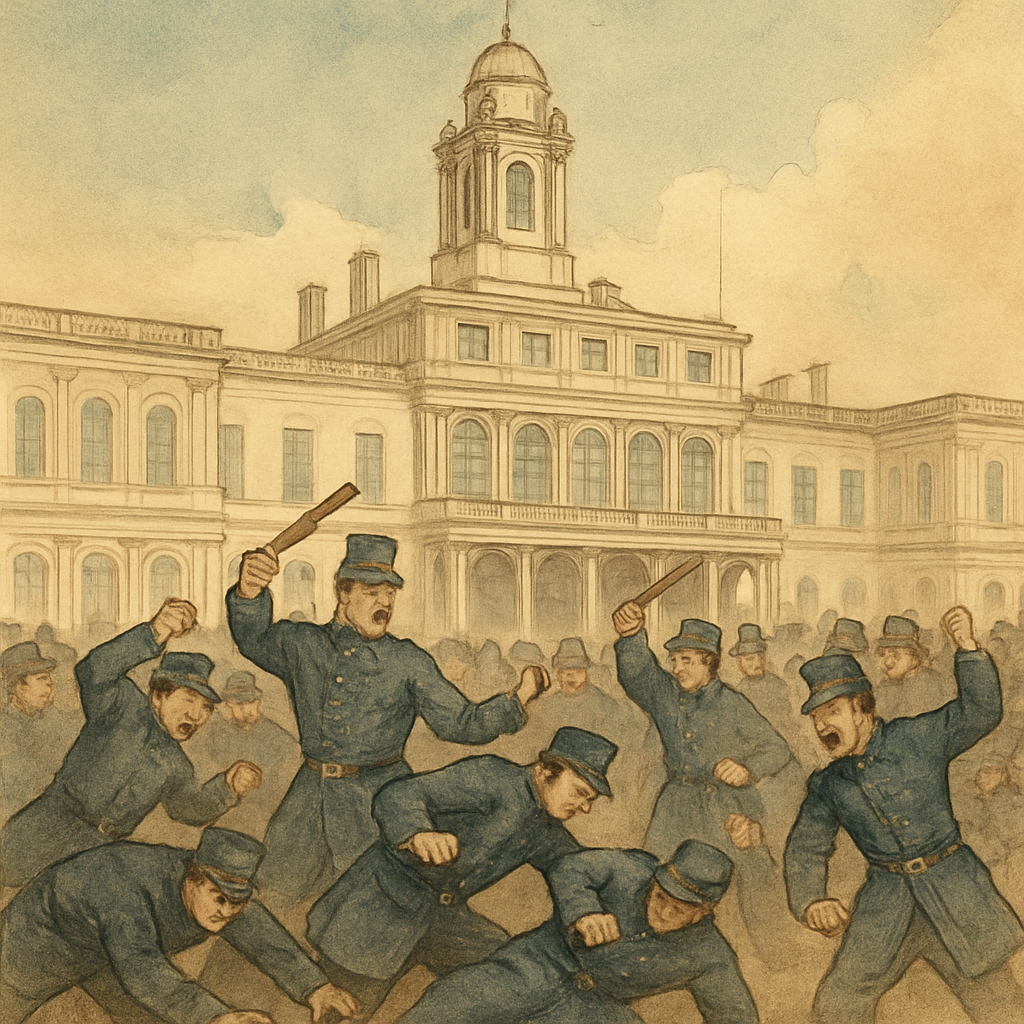
The Great Police Riot of 1857 at New York City Hall
On a June afternoon in 1857, two police forces faced off in front of New York City Hall—one dissolving, one ascending—in a violent struggle that exposed the rot of machine politics and the chaos of a city without a unified constabulary.
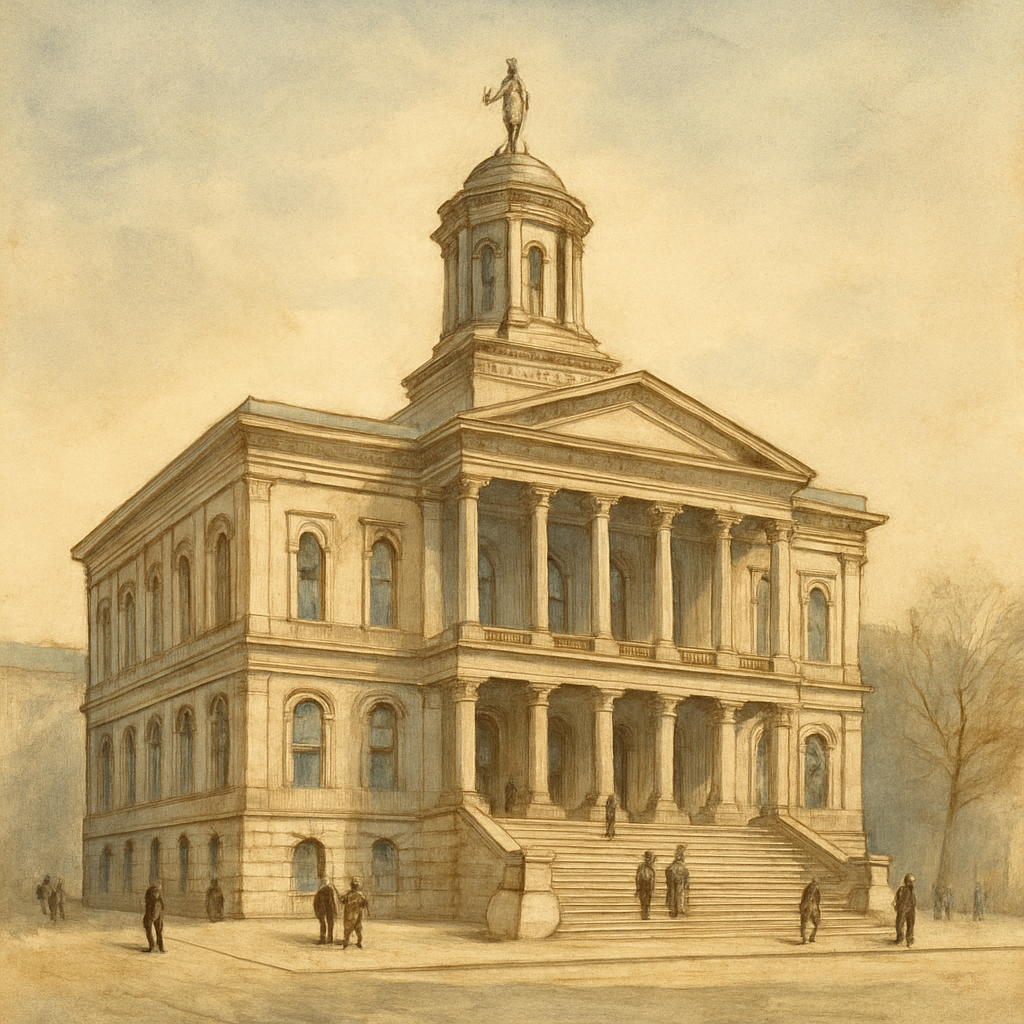
Tweed Courthouse: Manhattan's Monument to Gilded Age Corruption
At 52 Chambers Street in Lower Manhattan's Civic Center stands an architectural masterpiece born from one of America's most brazen political scandals. The Tweed Courthouse represents both the ambition of the Gilded Age and the corruption that nearly consumed New York City.
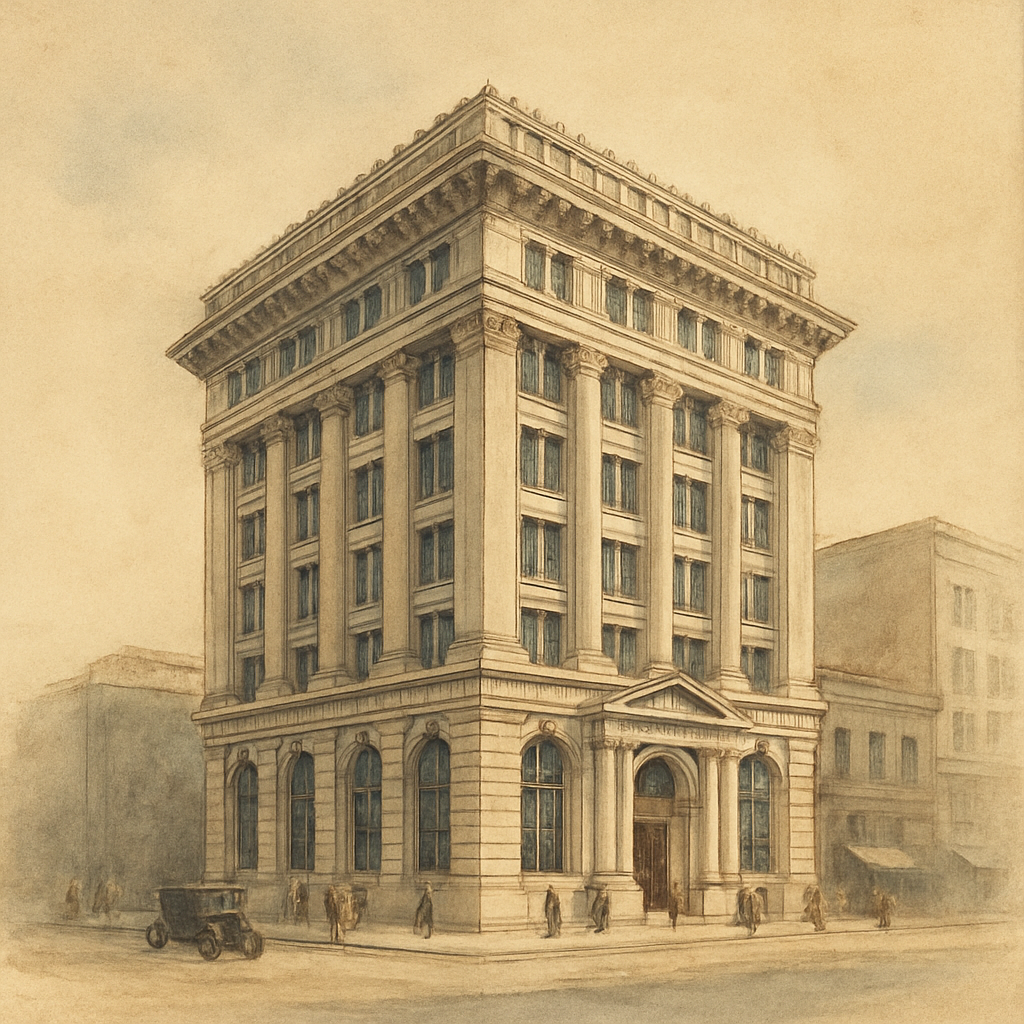
International Savings & Exchange Bank Building: Los Angeles' 1907 Financial Icon
In 1907, architect H. Alban Reaves completed a ten-story monument to prosperity in Los Angeles' Spring Street Financial District—a Renaissance Revival and Italianate structure that still commands attention today.
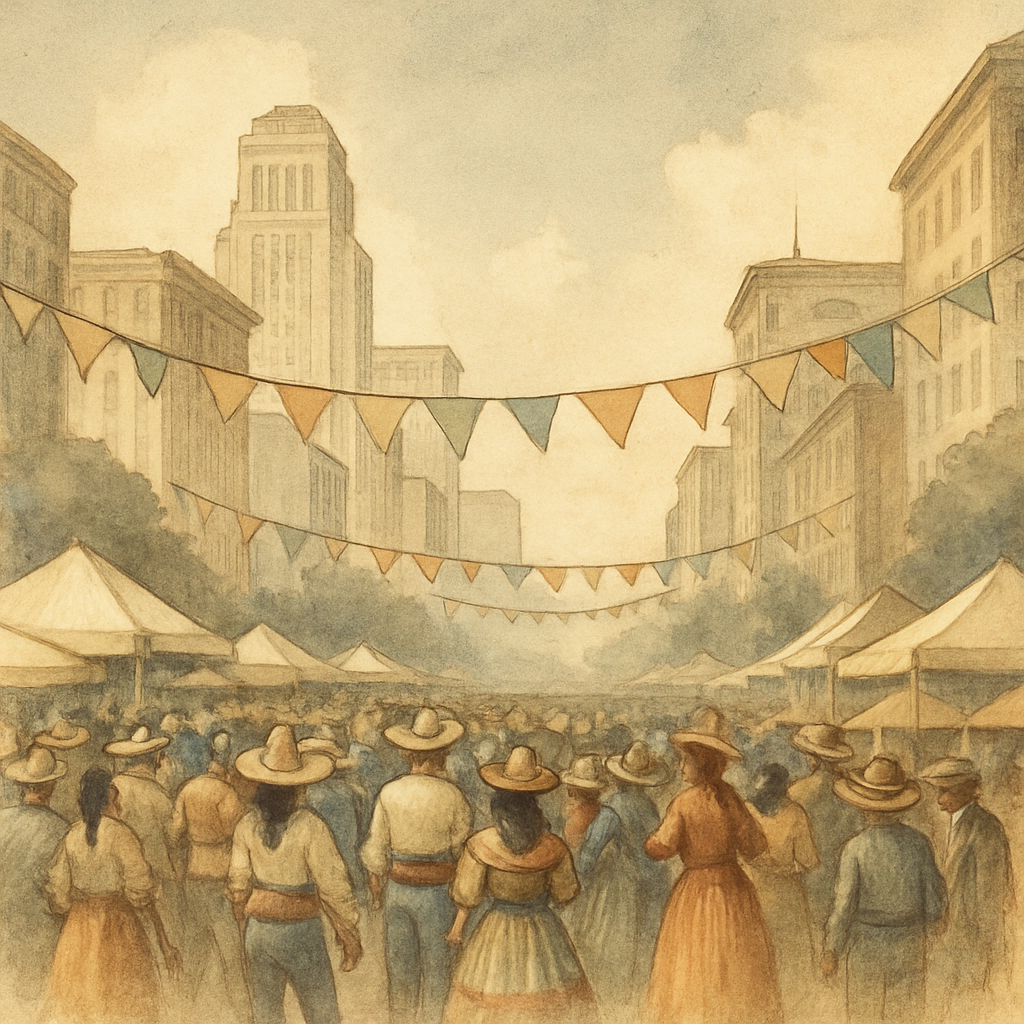
Fiesta Broadway in Downtown Los Angeles: Cinco de Mayo Celebration
Every Cinco de Mayo, downtown Los Angeles transforms when Fiesta Broadway takes over Broadway Street—a celebration rooted in early 20th-century tradition and modeled after Miami's Calle Ocho Festival. At its height, the festival stretched 36 blocks and drew hundreds of thousands of visitors to one of the city's most vibrant neighborhoods.
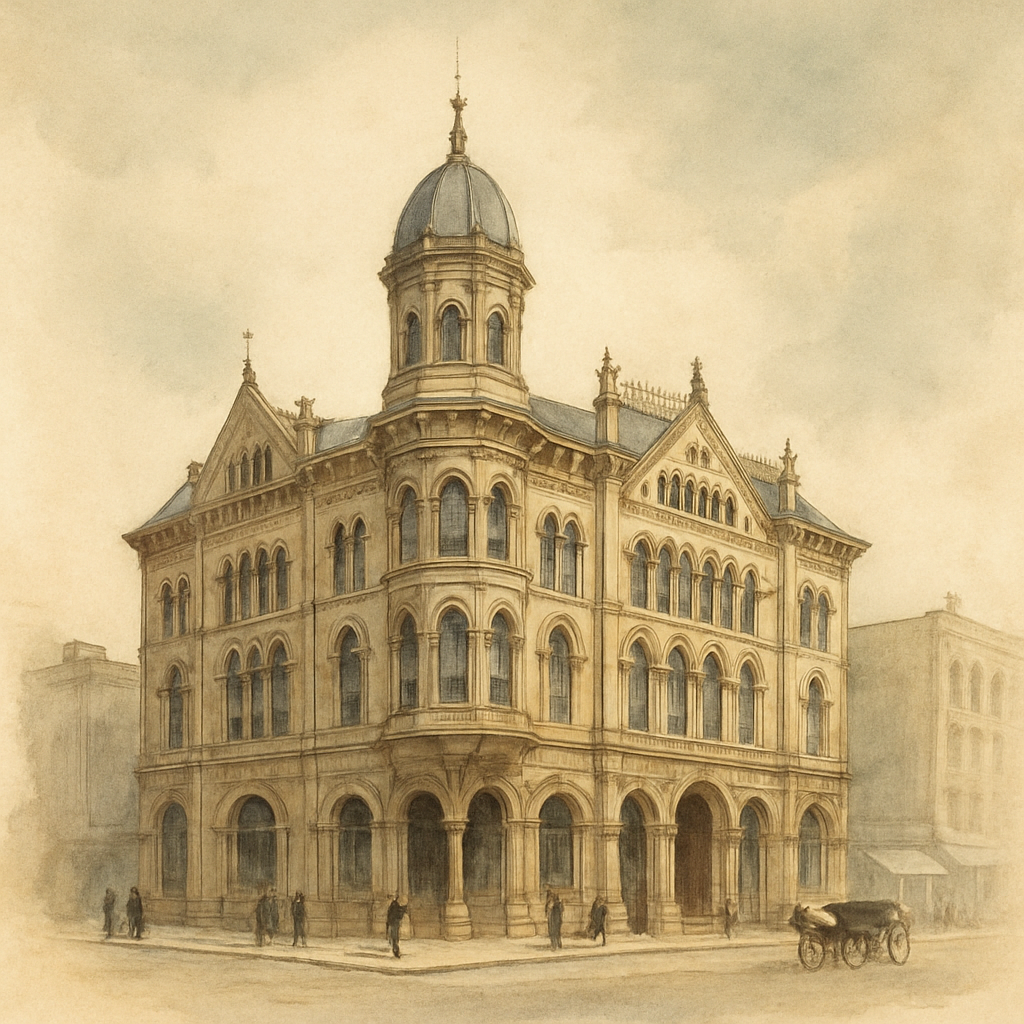
Grand Opera House: Downtown Los Angeles' Lost Theater Pioneer
On a street corner in downtown Los Angeles, a grand theater once stood as a gateway to modern entertainment. The Grand Opera House—also known as Child's Opera House, the Orpheum Theatre, and Teatro Mexico—was more than a performance venue; it was the birthplace of two revolutions in Los Angeles culture.
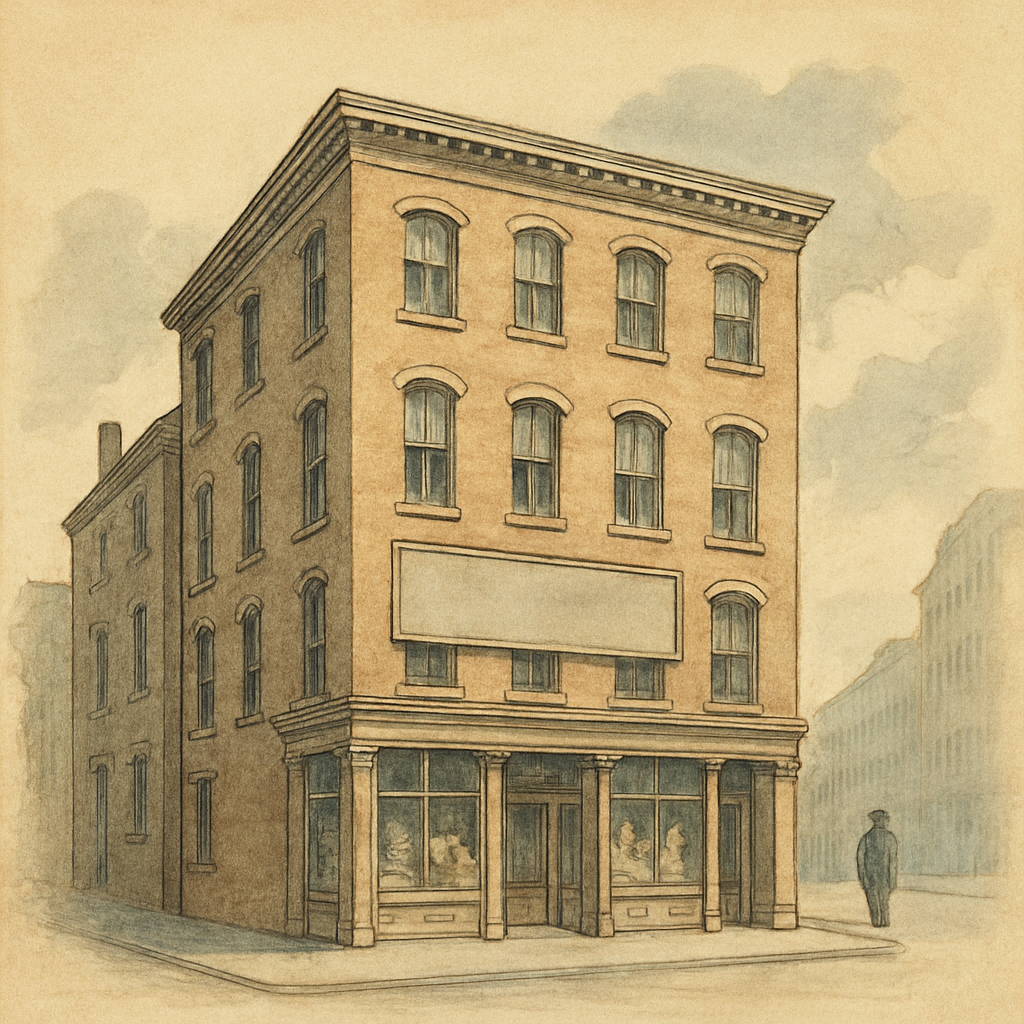
Frost & Adams: Boston's Historic Artist Supply Landmark
In 1869, artist Francis Seth Frost and retailer E.H. Adams acquired a small supply business in Boston, transforming it into New England's most trusted source for art materials.
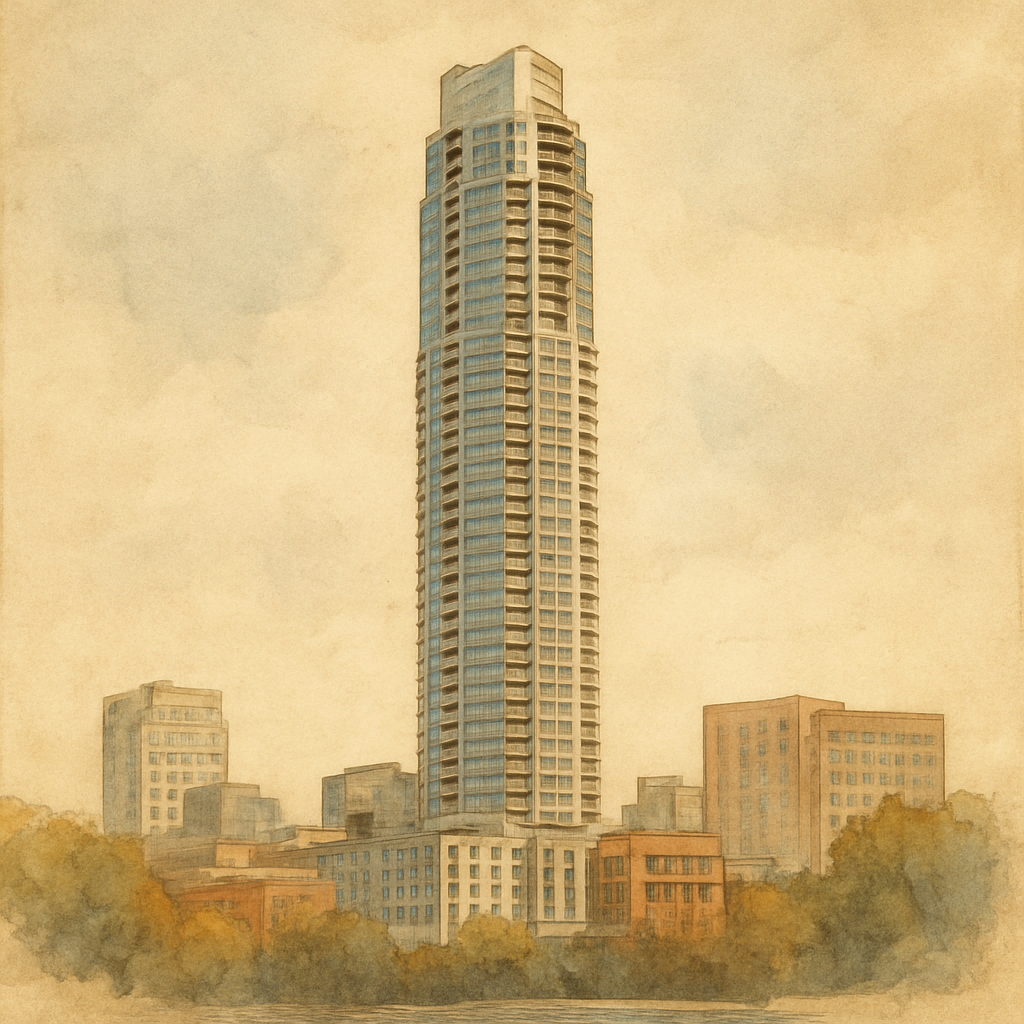
The Austonian: Austin's Third Tallest Residential Tower
At 683 feet tall with 56 floors, The Austonian stands as Downtown Austin's third tallest building and the second tallest all-residential tower west of the Mississippi River.
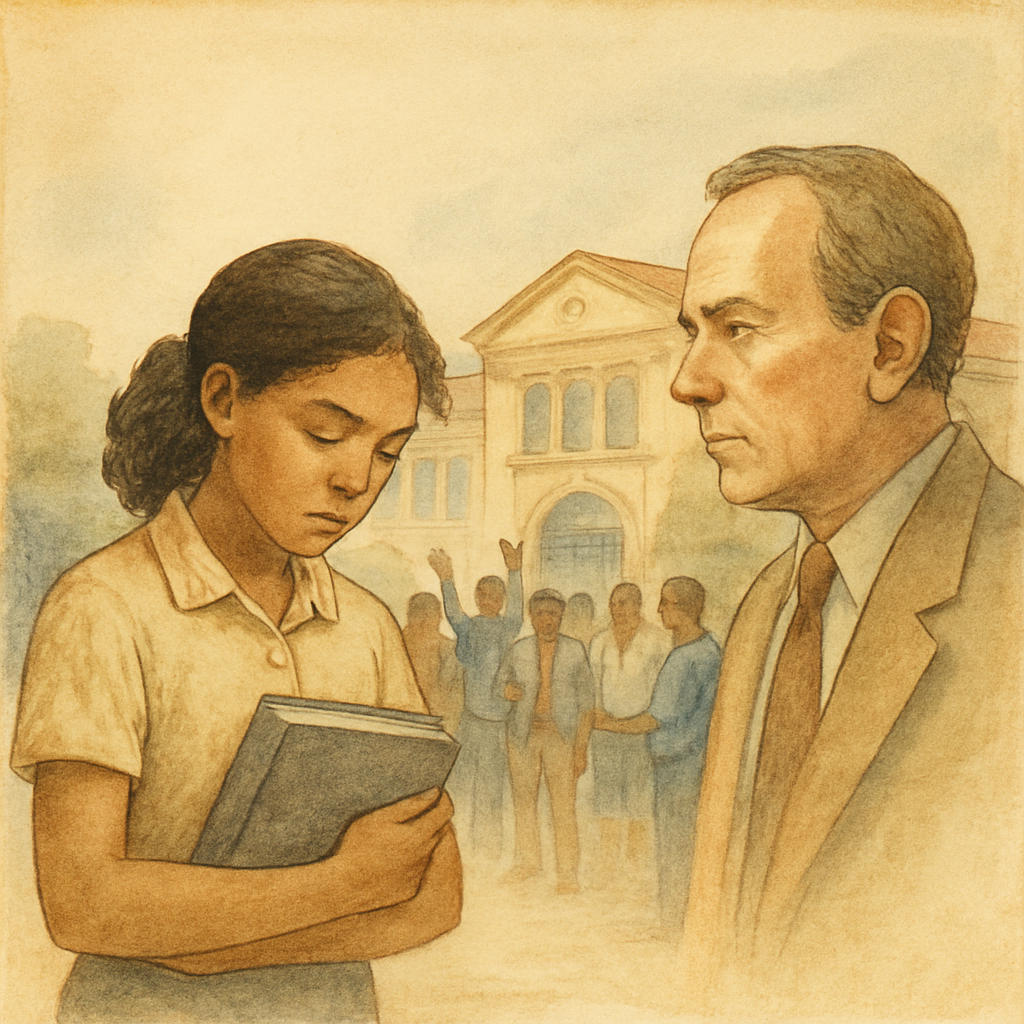
LA's Promise: School Reform and Community Change in Los Angeles
In the heart of South Los Angeles, three public schools operate under an unusual partnership: a performance contract between LA's Promise, a local nonprofit, and the Los Angeles Unified School District. This model of school reform and neighborhood revitalization has shaped the educational landscape for thousands of students since its founding.