The 1966 New York City smog that turned day into twilight
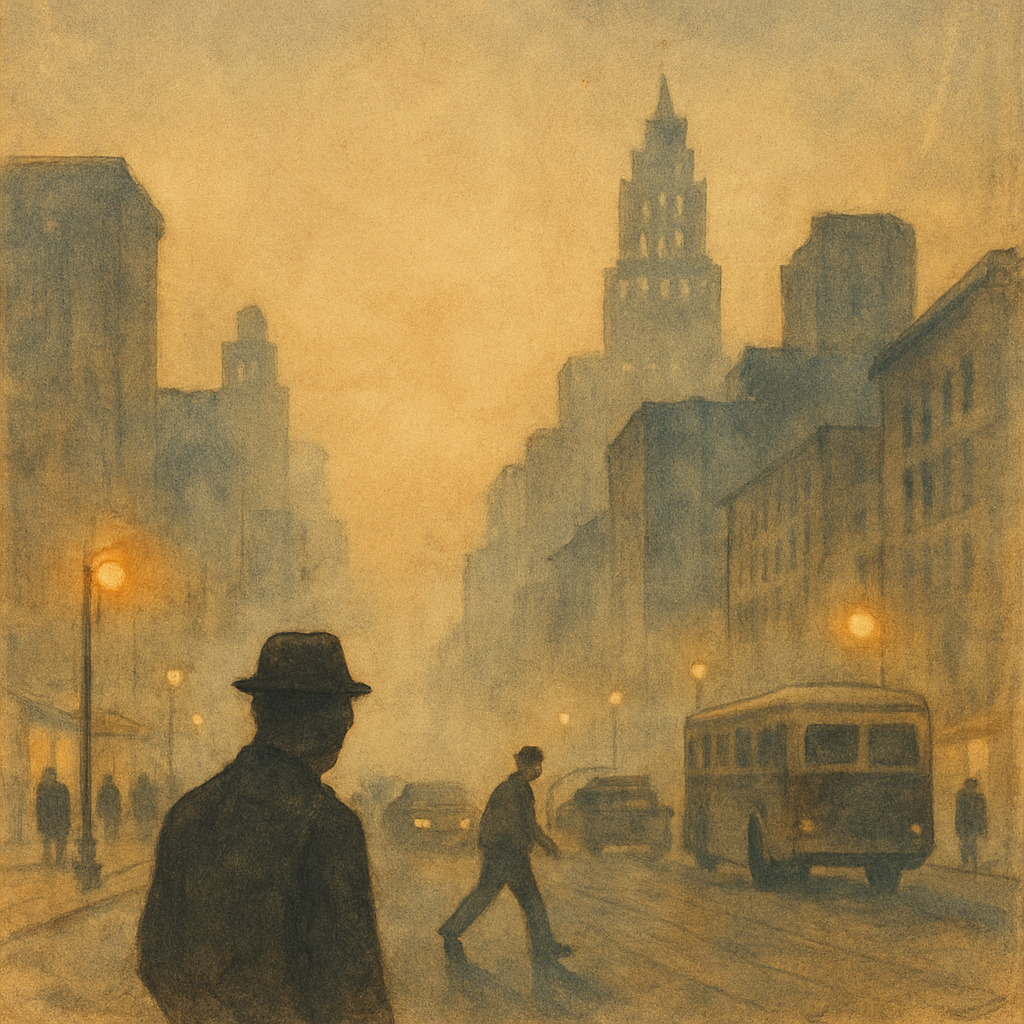
On November 23, 1966, a stagnant air mass settled over the East Coast and trapped pollutants above New York City for four days, creating one of the most dangerous environmental disasters in the city's history. The smog was so thick it turned midday into twilight and exposed vulnerabilities that would reshape how Americans thought about air quality.
A City Held Captive
Thanksgiving weekend 1966 began with an invisible crisis. A massive high-pressure system stalled over the East Coast, creating a meteorological trap that prevented pollutants from dispersing. Industrial emissions, vehicle exhaust, and heating fuel smoke—sources no one could avoid in a city of eight million—accumulated in the stagnant air. By midday on November 23, visibility dropped to a quarter mile in some neighborhoods. Streetlights flickered on at noon. The air smelled of burnt metal and chemicals. Schools closed. Traffic slowed to a crawl. Hospitals reported surges in respiratory distress.
The Third Strike
This was not New York's first encounter with catastrophic smog. A deadly episode in 1953 had killed thousands, though the toll was initially downplayed. Another severe event in 1963 had darkened the city again. The 1966 event, lasting from November 23 to 26, was the third major pollution crisis in little more than a decade—a pattern that could no longer be ignored. Visibility in lower Manhattan dropped below one-tenth of a mile at its worst.
A Turning Point
The smog crisis accelerated a national reckoning with air pollution. Within four years, Congress passed the Clean Air Act of 1970, the first comprehensive federal law regulating air quality. New York City began phasing out high-sulfur fuel oil, stricter emission standards took hold, and industrial practices shifted. The 1966 smog became a symbol of an industrial age that prioritized growth without restraint—and a moment when that model could no longer be sustained.
Do you remember that Thanksgiving week, or have older relatives who lived through it? What stories circulated in your family about how the city changed after?
- new-york-city-history
- air-pollution
- environmental-disaster
- 1960s
- smog-episode
- urban-history